Many pool fences intersect with either the residence or the boundary fence. Time to check your intersections have been correctly configured to improve your chance of compliance. Below are some examples of non-compliant intersections. Once you understand the concept you will be able identify any defects.
Traversable Intersections:
- Inspect all intersections to ensure they are not traversable or scalable.
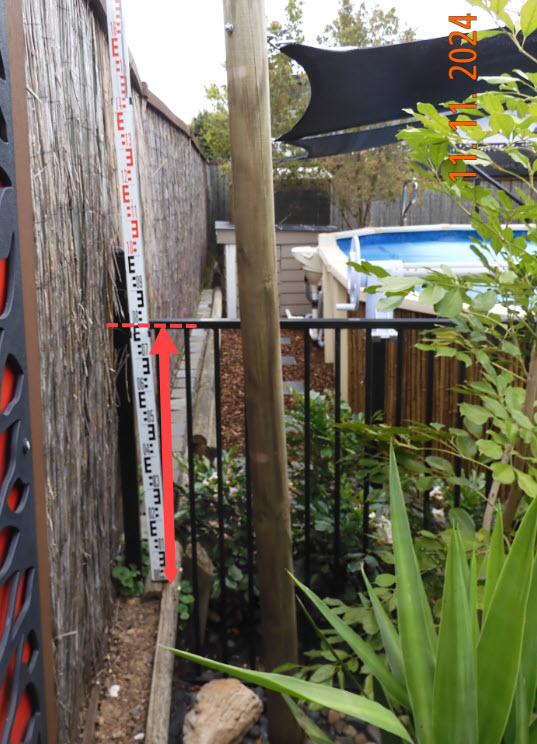
- Maintain a minimum pool barrier height of 1200mm, measured from the finished ground level, and eliminate any climbable points.
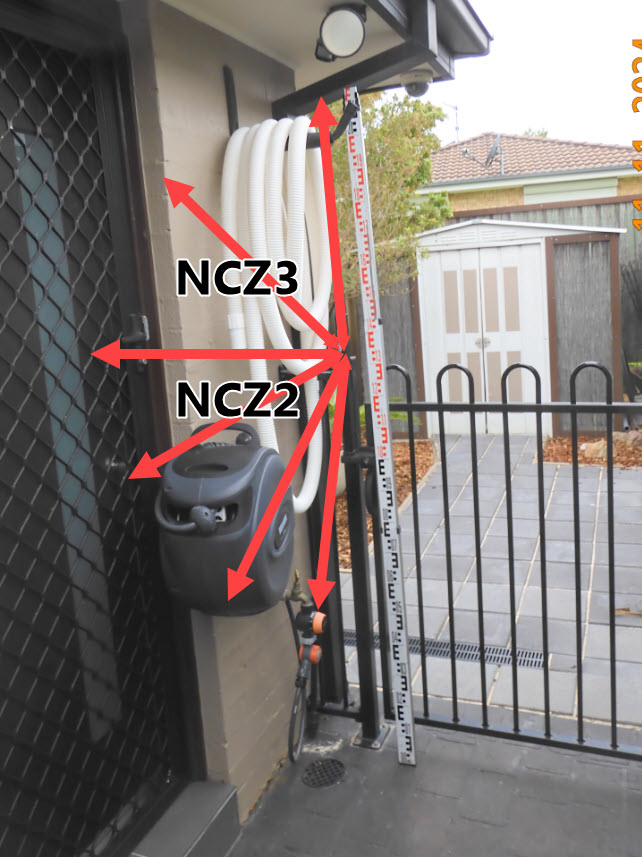
- Look around the intersection for climbable points within the Non Climbable Zones.
- For stepped sections where ground levels change, measure the barrier height from the higher level, vertically and perpendicularly.
- Check for a taller fence intersecting with a shorter fence
- Always ensure a minimum pool barrier height of 1200mm from finished ground level.
- Monitor any changes in ground level within 900mm of the fencing that could impact height.
Making Pools Safer, One Inspection at a Time
Book An InspectionWindow Sills, and Door Thresholds
- When you encounter immovable objects like a windowsill, choose a better intersection point.
- If you can’t find a suitable connection point to the residence, consider excluding the Residence from the pool enclosure.
Boundary Fence Intersections
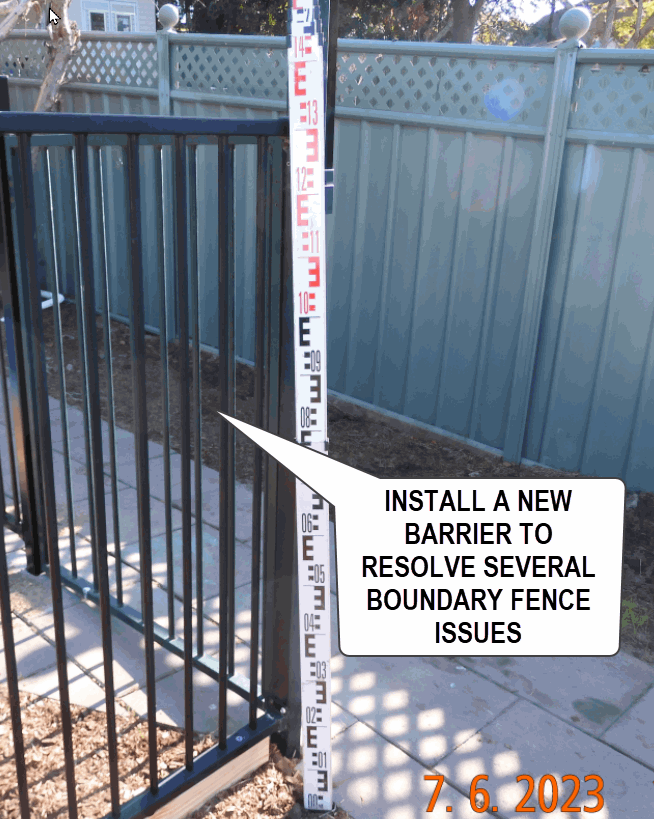
- When intersecting with a boundary fence, avoid using horizontal rails, lattice extensions, bamboo, or screening materials that create climbable points.
- Use smooth surfaces and materials instead – vertical palings, ColorBond, or Board for exterior use.
- Ensure there are no structures within 900mm of the boundary fence, such as pool filter enclosures, hedges, or raised garden beds.
- If the intersecting barrier has a surface width of 50mm, make sure the height matches the boundary fence for at least 900mm from the intersection.
- Trim back hedging from all intersections to make sure all barrier intersections are accessible for inspection.
- Check for vertical gaps exceeding 100mm that could have been obscured by vegetation
- The fencing must be visible and accessible so it can be checked, so clear any non-climbable zones before the inspection.
By working with our trustworthy Pool Compliance Inspectors at Pool Certify you will experience a superior service. As Certifiers we know that many pool owners are unable to identify non-compliances for various reasons such as a lack of education from governing bodies. Our Pool Compliance Inspectors at PoolCertify can assist you to learn how to comply so that you can rest easy knowing your pool fencing does comply. The information provided in this article is for general informational purposes only and is not aimed to apply to you personal circumstance unless we have provided you with the same advice on site.